
Polymeric sand is an advanced jointing material designed to lock pavers together, strengthen the surface, and resist weed growth. However, many homeowners ask whether it can make a patio, walkway,…
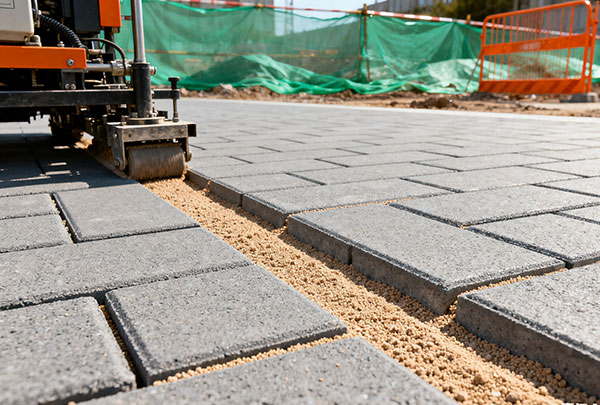

Polymeric sand is an advanced jointing material designed to lock pavers together, strengthen the surface, and resist weed growth. However, many homeowners ask whether it can make a patio, walkway,…
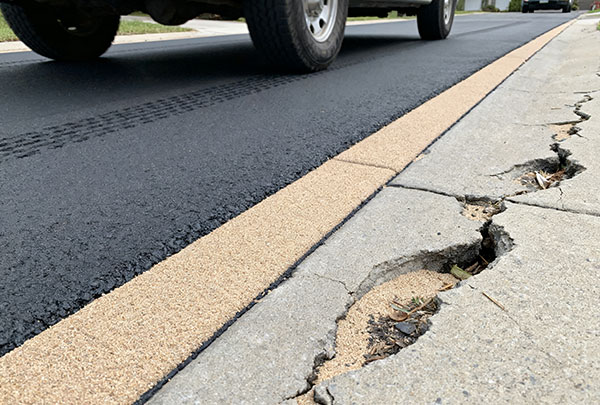
When designing a patio, walkway, or driveway, many homeowners ask: How long does polymeric sand last in paver joints? The answer is that polymeric sand generally lasts between 5 and…

Introduction: Why Polymeric Sand Matters for Interlocking Pavers Interlocking pavers are one of the most popular paving materials for driveways, patios, and walkways. Their strength, design flexibility, and longevity make…
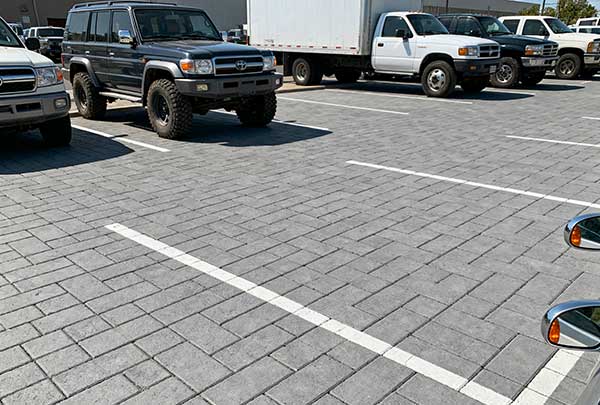
When planning a surface for a commercial parking lot, industrial zone, or airport driveway, durability and load-bearing capacity are top priorities. Many people assume that asphalt or poured concrete are…
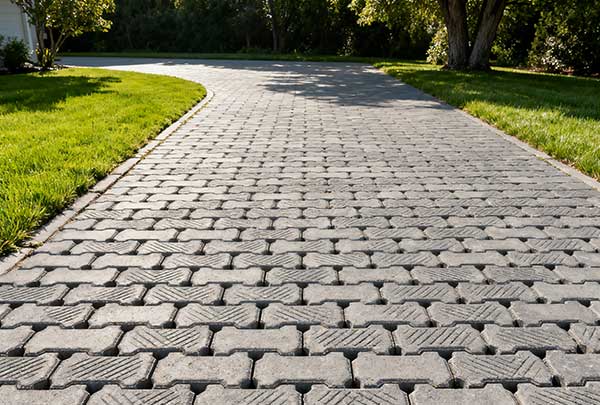
When planning a new driveway, patio, or walkway, many homeowners ask: Do pavers crack under pressure? The simple answer is rarely. Unlike a single slab of poured concrete that can…
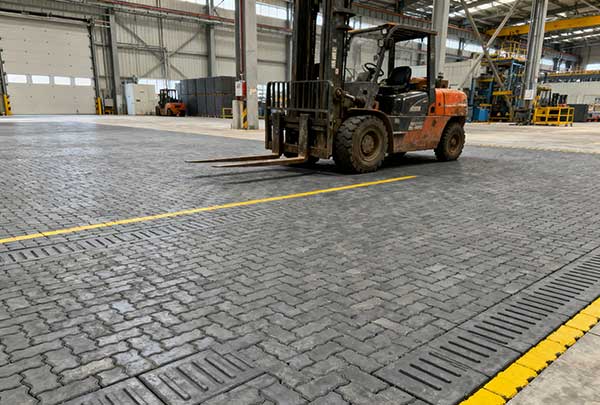
Introduction: Why Paver Thickness Matters for Heavy Vehicles Pavers are a popular choice for driveways, parking pads, and industrial lots due to their strength, flexibility, and aesthetic appeal. But when…
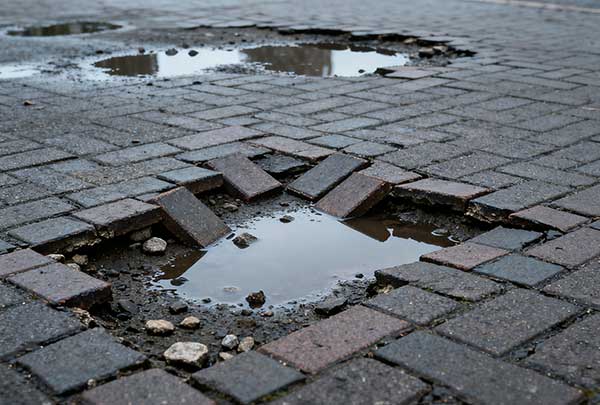
Introduction: The Problem of Sunken Pavers A smooth, even paver surface adds beauty and value to your home. But over time, you may notice certain sections beginning to sink or…
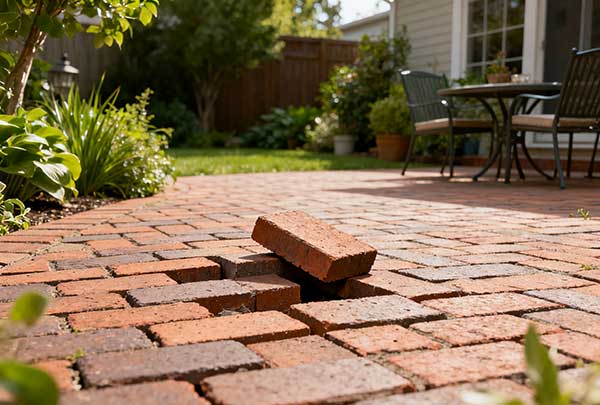
Introduction: Why Paver Stability Matters Interlocking pavers are a popular choice for driveways, patios, and walkways because they combine durability with timeless appeal. But sometimes, homeowners notice an issue: their…
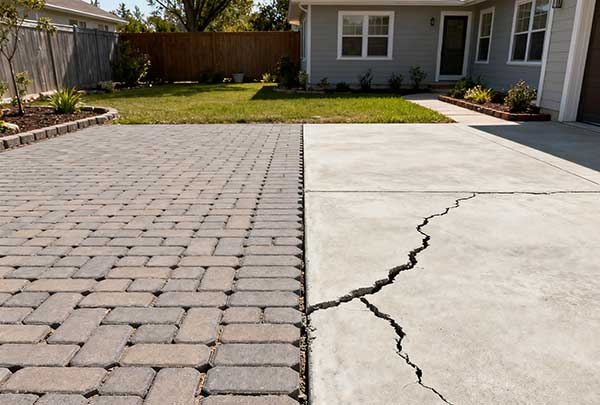
Introduction: Understanding the Durability of Paving Materials When choosing a paving material, durability is a top concern. One of the most common questions homeowners ask is: Do interlocking pavers crack…
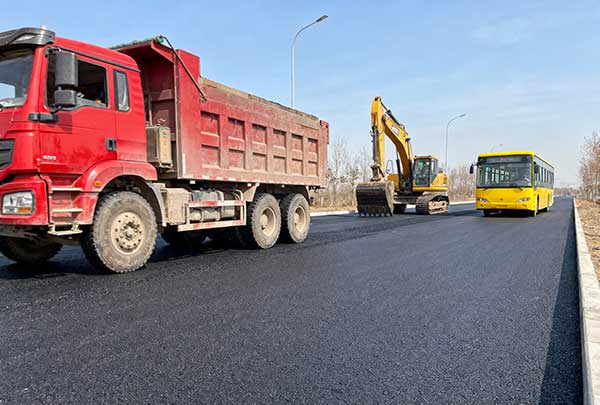
Introduction: Why Strength Matters in Asphalt Paving When designing a driveway, parking lot, or road that will carry trucks, buses, or construction equipment, strength is a top priority. A common…